
3 Thicknesses
Production Time
Waterjet cut, +/- .009" tolerance
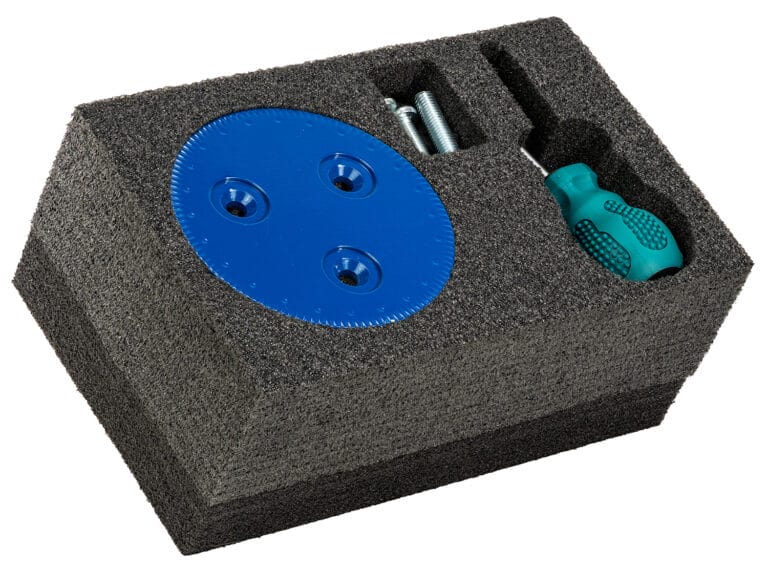
Polyethylene Foam is a lightweight, closed-cell thermoplastic material that combines durability, flexibility, and excellent resistance to impact, moisture, and chemicals. Easy to cut and machine into complex shapes, it’s ideal for projects that require reliable cushioning, insulation, or sealing. From tool organization to protective inserts and equipment padding, Polyethylene Foam offers a versatile, cost-effective way to add both protection and functionality.
SendCutSend’s polyethylene foam is perfect for projects that require lightweight cushioning, moisture resistance, and impact absorption.
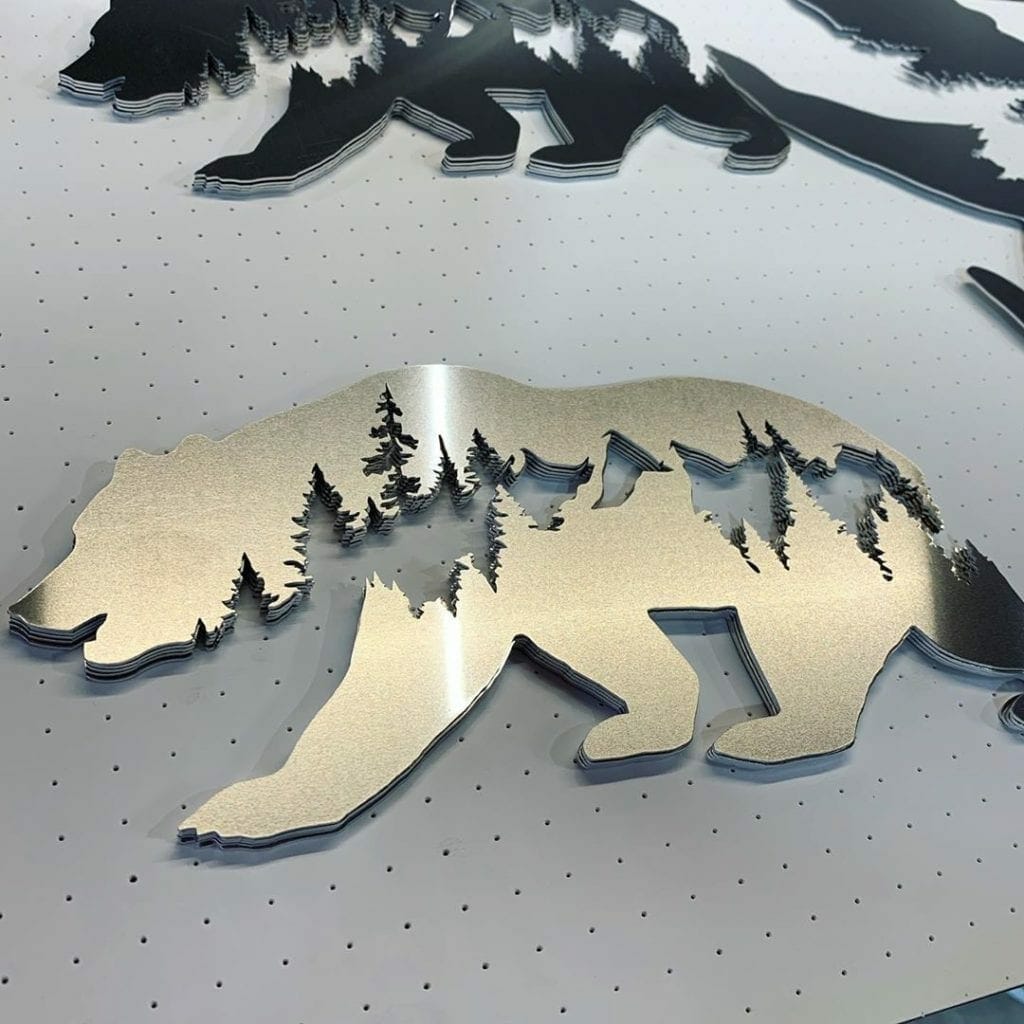
We source this high-demand metal through trustworthy suppliers with verifiable industry credentials so you don’t have to worry about it. You’ll know that our 5052 aluminum sheets are ready to be transformed into your greatest ideas.
Material certifications (PDF) are available below.
5052 Aluminum .040″
5052 Aluminun .063″
5052 Aluminum .080″
5052 Aluminum .100″
5052 Aluminum .125″
5052 Aluminum .190″
5052 Aluminum .250″
5052 Aluminum .375″
5052 Aluminum .500″
We guarantee awesome quality parts. If you’re not 100% happy, we’ll give you a refund or remake on the spot – no questions, no hassle.
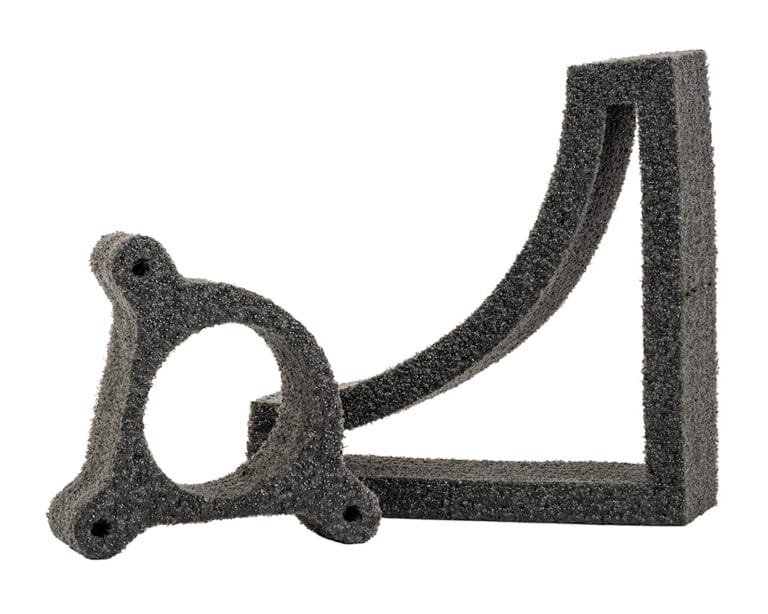
SendCutSend offers Polyethylene Foam in three thickness options: 0.875”, 1.125”, and 2.250”
When working with Polyethylene Foam at SendCutSend, there are specific size and thickness parameters to keep in mind. For instant pricing, the smallest part size available is 1” x 1”, while the largest part supported is 23”x 47.”
Polyethylene Foam is cut on the waterjet and is not eligible for any secondary services.

We accept .ai, .dxf, .dwg, .eps, .stp, and .step

Customize one of our simple parts templates

Polyethylene foam is one of the most durable, flexible, and impact-absorbing foams used in manufacturing and packaging. Its closed-cell structure makes it waterproof, buoyant, chemically resistant, and remarkably resilient under repetitive impact. Whether you’re protecting sensitive equipment, building custom inserts, or fabricating cushioning components, polyethylene foam provides long-lasting performance in applications where stability and shock absorption matter. At SendCutSend, we waterjet cut polyethylene foam in 0.875”, 1.125”, and 2.250” thicknesses to ±.005” tolerance, allowing designers and manufacturers to create custom inserts, pads, cases, and protective components with consistent accuracy and clean edges.
These characteristics make polyethylene foam one of the most reliable materials for protective packaging, inserts, and cushioning components.
Fabricators choose polyethylene foam when they need a material that can absorb impact, resist moisture, and maintain shape even after repeated compression. Its closed-cell construction gives it a unique combination of durability and softness, allowing it to protect equipment without crushing or tearing. Common reasons fabricators select polyethylene foam:
Polyethylene foam is a go-to material for any project where protection, vibration control, and long-term durability are required.
Polyethylene foam is engineered to absorb and dissipate energy. It protects delicate electronics, instruments, tools, and equipment from drops, vibration, and movement.
Because every cell is sealed, polyethylene foam:
This makes it ideal for marine, outdoor, and mobile applications.
Polyethylene foam resists:
It holds up in shops, warehouses, industrial facilities, and transportation settings.
Even in 2.25” thickness, polyethylene foam remains easy to carry, mount, or assemble. It doesn’t crumble, tear, or dry out like low-density foam products.
Waterjet cutting produces:
This is especially beneficial for cases, pelican-style inserts, and fitted trays.
Polyethylene foam is tough but not stiff. It’s not suitable for structural parts or components that must carry load. For structural materials, consider:
Heat can deform or melt polyethylene foam. Avoid:
Foam tolerances are inherently flexible. Thick foam can compress under load, so it’s not used in tightly toleranced mechanical assemblies.
Waterjet edges are clean but slightly textured. This is normal for foam and can’t be polished smooth like plastics.
Most paints, adhesives, or solvents will not bond to polyethylene foam. Mechanical trapping or friction-fit design is preferred.
Waterjet cutting is the ideal process for polyethylene foam because it avoids melting, tearing, or deformation. The foam remains cool and stable, and the cut is controlled by water pressure rather than heat.
SendCutSend cuts to ±.005” tolerance, though designers should keep in mind that foam’s natural compressibility means final fit may feel slightly looser or tighter depending on insert design.
Edges may have a slight taper or texture due to the nature of foam cutting, but taper is minimal and typically not noticeable in protective inserts.
Designing for foam is different from designing for stiff plastics or metals. Because polyethylene foam compresses, expands, and cushions, it requires features that work with, not against, its material behavior.
Avoid razor-sharp internal corners. Rounded corners reduce stress and create smoother, more durable foam features.
For tool or equipment inserts, undersize cutouts by ~1–3% for a secure friction fit.
Foam sections thinner than ~0.25” may tear under stress.
For deep cavities over 2.25” deep, design multi-layer inserts instead of over-cutting a single sheet.
Foam will “bounce back” after compression — design interference fits with this in mind. More best practices: SendCutSend’s design guidelines
Polyethylene foam is found anywhere impact protection or cushioning is required. Common applications include:
If the part needs to protect, cushion, or absorb shock, polyethylene foam is a top choice.
SendCutSend sources polyethylene foam from a combination of U.S. and global suppliers, depending on availability and sheet specifications. All cutting, inspection, and fulfillment take place in our three U.S. manufacturing facilities:
This ensures consistent lead times, clean cut quality, and stable supply for custom foam inserts and protective components.
Use polyethylene foam when you need a lightweight, durable, shock-absorbing material that protects tools, equipment, electronics, and delicate components from movement and impact. It’s ideal for fitted inserts, case layouts, vibration damping, and any application where cushioning is critical. Choose polyethylene foam if your part must:
SendCutSend waterjet cuts polyethylene foam to ±.005” tolerance in 0.875”, 1.125”, and 2.250” thicknesses, giving you perfectly fitted, production-ready inserts with fast 2–4 day turnaround.


