
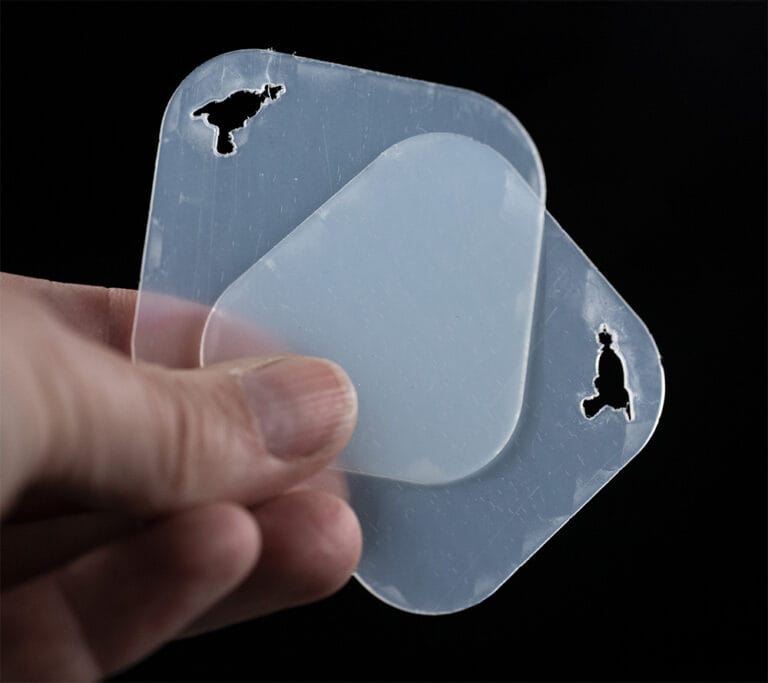
Polypropylene (PP) is a lightweight, semi-crystalline thermoplastic known for its chemical resistance, low moisture absorption, and excellent impact toughness. Clear polypropylene combines transparency with durability, making it ideal for applications where visibility, flexibility, and corrosion resistance are important. It’s commonly used for packaging, laboratory trays, machine guards, and precision templates.
Polyproylene (PP) shines when transparency, strength and chemical resistance are necessary for your parts. Here are just a few of the most common uses for this thermoplastic sheet.
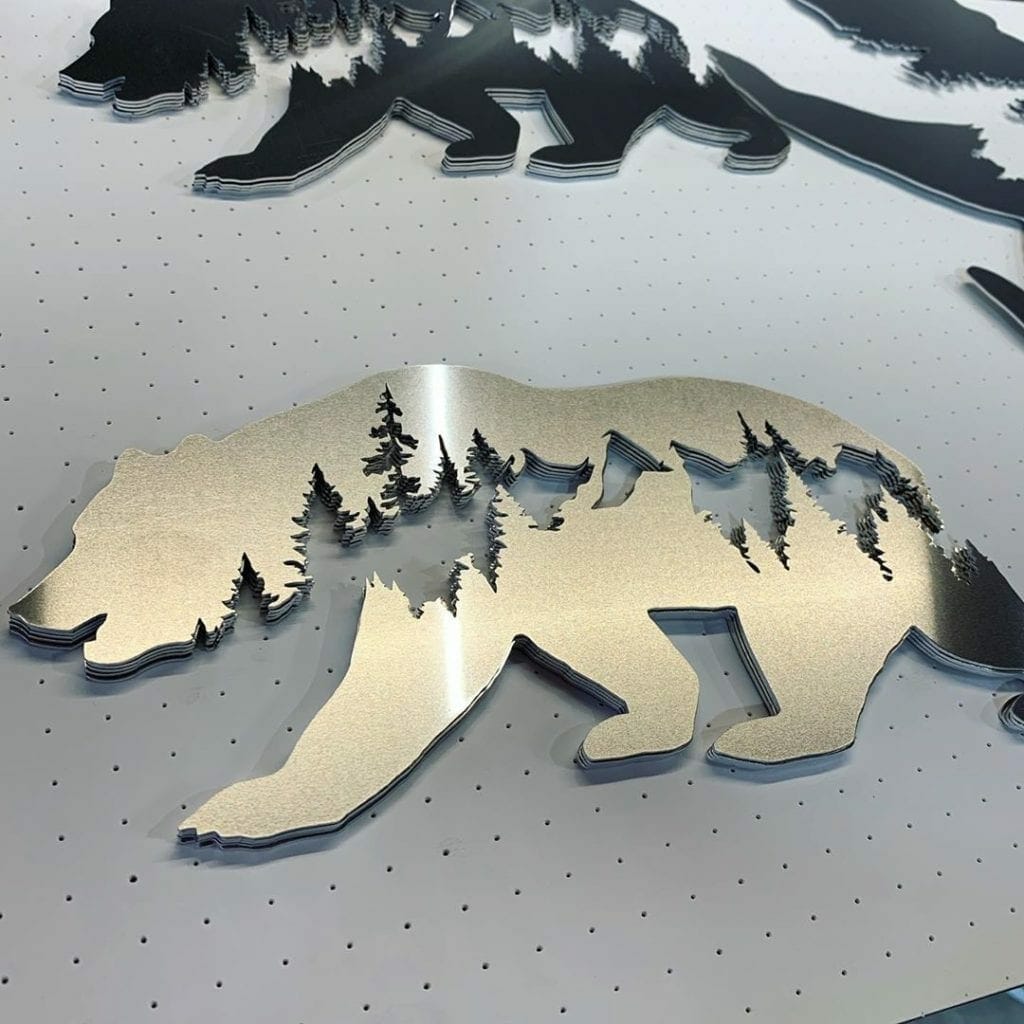
We source this high-demand metal through trustworthy suppliers with verifiable industry credentials so you don’t have to worry about it. You’ll know that our 5052 aluminum sheets are ready to be transformed into your greatest ideas.
Material certifications (PDF) are available below.
5052 Aluminum .040″
5052 Aluminun .063″
5052 Aluminum .080″
5052 Aluminum .100″
5052 Aluminum .125″
5052 Aluminum .190″
5052 Aluminum .250″
5052 Aluminum .375″
5052 Aluminum .500″
We guarantee awesome quality parts. If you’re not 100% happy, we’ll give you a refund or remake on the spot – no questions, no hassle.
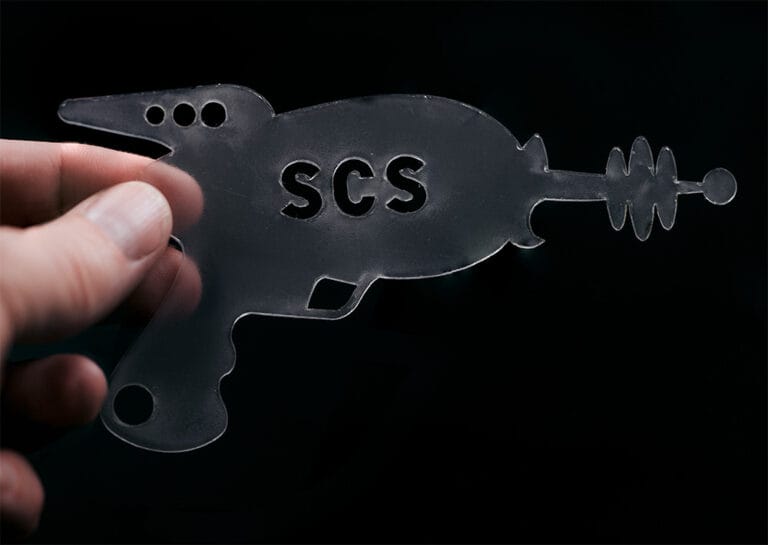
SendCutSend offers Clear Polyoprylene rubber in one thickness: .030″.
The minimum size for polypropylene is .5″ x .5″ and the maximum size is 30″ x 44″.
No additional services are available for clear Polypropylene.

We accept .ai, .dxf, .dwg, .eps, .stp, and .step

Customize one of our simple parts templates

Clear polypropylene, commonly referred to as PP, is a lightweight, flexible plastic sheet known for its chemical resistance, fatigue durability, and low moisture absorption. It is widely used for packaging, living hinges, templates, folders, industrial liners, and flexible components that need to bend repeatedly without cracking.
At SendCutSend, we laser cut .030 inch clear polypropylene to ±.009 inch tolerance, producing accurate, thin plastic parts with smooth edges and fast turnaround times.
Polypropylene is a semi-rigid thermoplastic polymer that balances flexibility and durability. Unlike acrylic, which is rigid and brittle, polypropylene bends easily and resists cracking. Unlike polycarbonate, which is impact resistant but stiffer, polypropylene is lighter and more flexible.
Compared to other plastics offered by SendCutSend:
Clear polypropylene sits in a different category. It is thin, flexible, and chemical resistant, making it ideal for lightweight applications.
Clear polypropylene is used for:
Because .030 inch polypropylene is thin and flexible, it is especially popular in packaging, display products, and lightweight assemblies.
Flexibility is one of the main reasons designers choose polypropylene.
At .030 inch thickness, clear polypropylene:
Polypropylene is known for its fatigue resistance, meaning it can bend thousands of times without breaking. This makes it suitable for living hinge designs.
Yes, polypropylene is one of the best plastics for living hinge applications.
A living hinge is a thin, flexible section of plastic that connects two rigid sections and allows repeated bending.
Polypropylene performs well for living hinges because:
When designing living hinges in .030 inch polypropylene:
Polypropylene at .030 inch thickness laser cuts cleanly when settings are optimized for thin plastic sheet.
What to expect from laser cutting:
Polypropylene is softer than acrylic and polycarbonate, so it may show slight edge rounding in very small features. However, at .030 inch thickness, detail capability remains strong.
Laser cutting is especially useful for low-volume custom shapes that would otherwise require die cutting.
Polypropylene is one of the lightest thermoplastics available, making it ideal for packaging and portable products.
It resists many chemicals including:
This makes it suitable for industrial liners and splash guards.
Polypropylene does not swell significantly in humid environments, unlike wood-based materials.
It can bend repeatedly without cracking.
Polypropylene is typically more cost-effective than polycarbonate or specialty plastics.
If you need structural stiffness, polypropylene is not ideal. Consider:
Clear polypropylene is translucent, not glass-clear.
Polypropylene softens at lower temperatures than engineering plastics.
Adhesives do not bond easily to polypropylene without surface treatment.
Surface hardness is lower compared to rigid clear plastics.
Designing for thin polypropylene requires understanding flexibility and laser kerf.
Recommended practices:
General fabrication guidance can be found here:
https://sendcutsend.com/guidelines
Polypropylene:
Acrylic
Polypropylene:
• More flexible
• Lower cost
• Lower heat resistance
• Better for lightweight applications
Polycarbonate:
• Impact resistant
• Higher temperature performance
• More rigid
• Better for protective shields
If clarity and rigidity matter most, acrylic is better.
If impact strength matters most, polycarbonate is better.
If flexibility and chemical resistance matter most, polypropylene is better.
Clear polypropylene appears in:
Its lightweight and flexible nature make it ideal for high volume and lightweight components.
Clear polypropylene parts are laser cut with tight tolerances and produced with fast turnaround times.
All cutting, inspection, and shipping are completed in SendCutSend’s U.S. manufacturing facilities:
This ensures consistent quality control and 2 to 4 day production time.
Choose .030 inch clear polypropylene when your design requires:
It is not the best option for:
SendCutSend laser cuts .030 inch clear polypropylene to ±.009 inch tolerance, allowing designers and fabricators to create flexible, lightweight components quickly and accurately.


