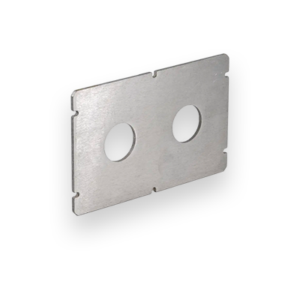
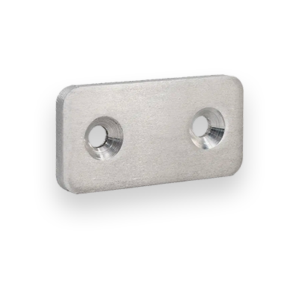
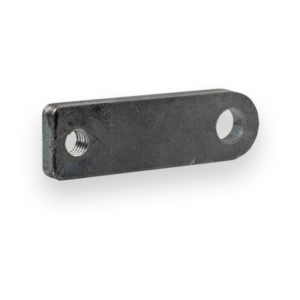
3 Thicknesses
Production Time
Laser cut, +/- .005" tolerance
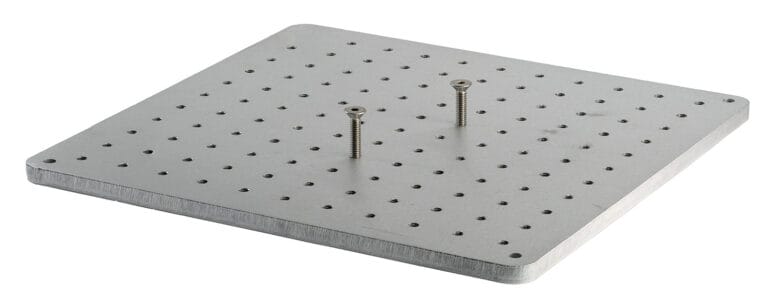
ALUMIC-6 is a precision-machined cast aluminum tooling plate engineered for flatness and dimensional stability rather than strength or formability. Unlike rolled aluminum alloys, ALUMIC-6 has extremely low internal stress, allowing parts to remain flat after laser cutting and machining. This makes it an ideal choice for fixtures, jigs, and tooling where accuracy and repeatability matter most.
When you have a project that requires flat aluminum with stability and minimal warping, ALUMIC-6 is a good choice. It’s most commonly used for the following:
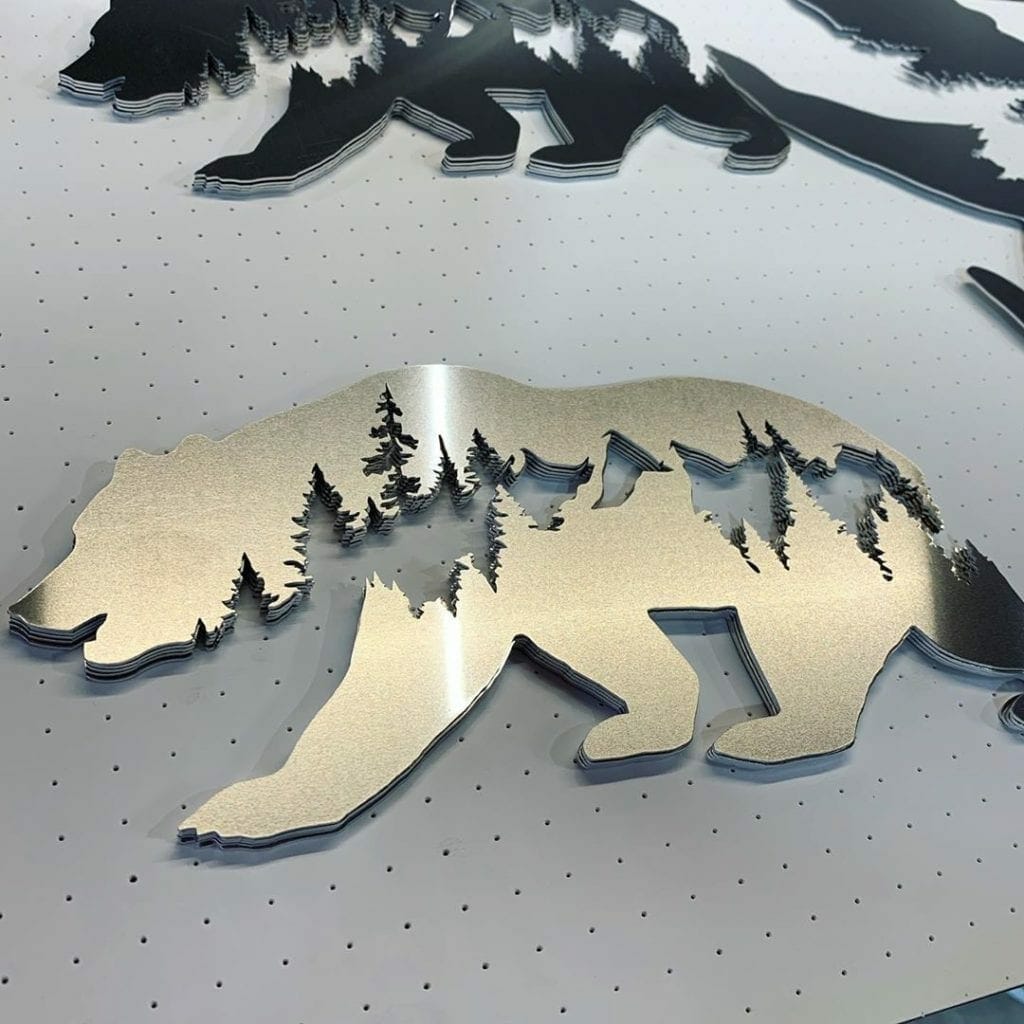
We source this high-demand metal through trustworthy suppliers with verifiable industry credentials so you don’t have to worry about it. You’ll know that our 5052 aluminum sheets are ready to be transformed into your greatest ideas.
Material certifications (PDF) are available below.
5052 Aluminum .040″
5052 Aluminun .063″
5052 Aluminum .080″
5052 Aluminum .100″
5052 Aluminum .125″
5052 Aluminum .190″
5052 Aluminum .250″
5052 Aluminum .375″
5052 Aluminum .500″
We guarantee awesome quality parts. If you’re not 100% happy, we’ll give you a refund or remake on the spot – no questions, no hassle.
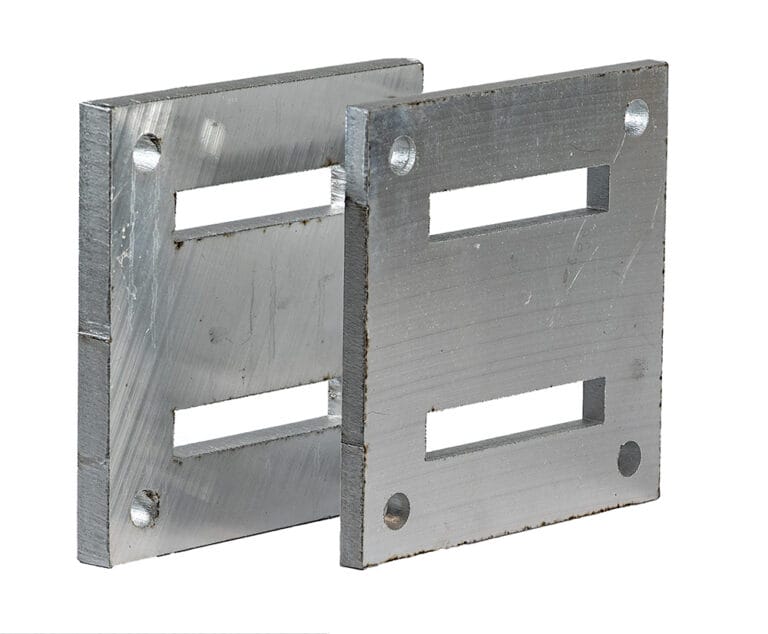
SendCutSend carries MIC-6 Cast Aluminum Sheet in .250″ (6.35mm), .375″ (9.53mm), and .500″ (12.7mm) for custom laser cutting
The minimum cut size for ALUMIC-6 is .750″ x 1.00″. Maximum cut size for instant quotes is 30″ x 44″.
We offer deburring, countersinking, and tapping services for ALUMIC-6 sheet.

We accept .ai, .dxf, .dwg, .eps, .stp, and .step

Customize one of our simple parts templates

MIC-6 is a cast aluminum tooling plate specifically engineered for dimensional stability, flatness, and excellent machinability. Unlike rolled aluminum sheet such as 5052 or 6061, MIC-6 is cast, stress relieved, and precision ground to tight flatness tolerances. This makes it ideal for fixtures, jigs, base plates, mounting plates, machine components, and applications where flatness and stability matter more than high structural strength.
At SendCutSend, we laser cut MIC-6 cast aluminum in .250 inch, .375 inch, and .500 inch thicknesses to ±.005 inch tolerance.
MIC-6 is a cast aluminum tooling plate, not a rolled sheet product. The casting process allows for uniform internal structure and stress relief, which improves flatness and reduces movement during machining.
Compared to 6061 aluminum:
Compared to 5052 aluminum:
MIC-6 is typically chosen when flatness and machinability are more important than ultimate strength.
Machinists and engineers frequently choose MIC-6 because it reduces the risk of part distortion during machining.
Reasons MIC-6 is preferred:
For fixture plates, vacuum tables, base plates, and machine components, stability is critical. MIC-6 performs exceptionally well in these applications.
Flatness is one of the main selling points of MIC-6.
Because it is cast and precision ground, MIC-6:
This makes it ideal for mounting precision components or building machine bases.
MIC-6 machines very well because:
Compared to 6061, MIC-6 often produces less stress-related movement when large amounts of material are removed.
This is especially important when machining large flat plates or creating precision alignment surfaces.
MIC-6 is not typically selected for structural load-bearing parts.
Compared to 6061 or 7075 Aluminum:
MIC-6 should be selected for stability and flatness, not maximum strength.
Stress relieved casting reduces internal stresses that cause warping.
Precision ground surfaces save machining time.
Tools last longer and parts machine cleanly.
Large pocketing operations result in less movement compared to rolled plate.
Flatness and stability make it well suited for machine setups.
Cast aluminum is not designed for forming operations.
It should not replace structural alloys in high load designs.
Welding cast plate is generally not recommended for precision applications.
Cast plate has a different surface finish than rolled sheet.
The casting and grinding process adds value but also cost.
Laser cutting MIC-6 produces clean edges and accurate profiles.
At SendCutSend, MIC-6 is laser cut to:
SendCutSend offers the following secondary operations on Mic6 parts:
Recommended design practices for MIC-6:
For general sheet design rules:
https://sendcutsend.com/guidelines
MIC-6 is widely used in precision environments. Typical applications include:
It is also used in manufacturing cells where flat, stable platforms are required.
MIC-6 aluminum sheets are precision laser cut in SendCutSend’s U.S. facilities:
Orders ship in 2 to 4 days, making it easy to source precision tooling plate quickly.
Choose MIC-6 when your project requires:
Choose 6061 when your project requires:
MIC-6 is not a replacement for structural aluminum alloys. It is a precision tooling plate designed for stability and machinability.
SendCutSend laser cuts MIC-6 cast aluminum in .250 inch, .375 inch, and .500 inch thicknesses to ±.005 inch tolerance, giving machinists and engineers precision blanks ready for high accuracy applications.